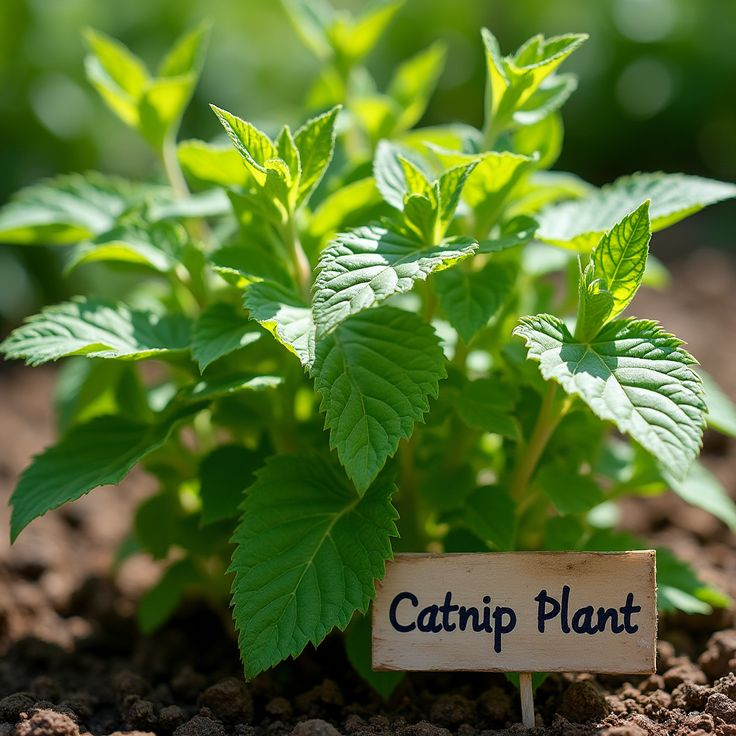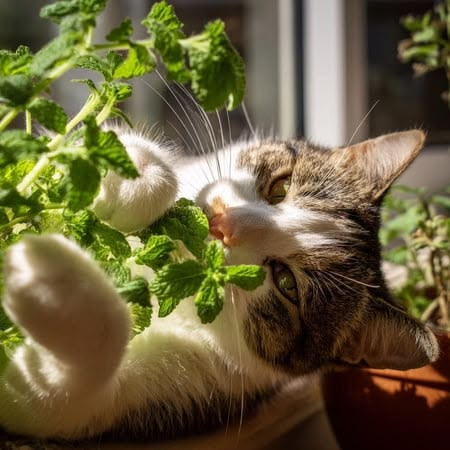
Many cat owners encounter a common puzzle: while most cats roll around joyfully with catnip and silvervine, some show absolutely no response—sniff once and walk away, with zero playful or relaxed behaviors. People often blame poor product quality or suspect the cat is sick. In reality, the main causes are genetics, age, sensory fatigue, chronic stress, and health issues. This guide breaks down the key reasons, offers safe alternative enrichment options, and shares correct usage tips to help your cat relax naturally.
1. Primary Cause: Inherent Genetic Differences
Catnip works via the volatile compound nepetalactone, while silvervine relies on actinidine and dihydroactinidiolide. For cats to experience the euphoric effect, they need specific olfactory receptor genes.
- Catnip: Roughly half of all cats lack the required gene to detect nepetalactone, meaning they cannot sense the scent and will never have the classic catnip response.
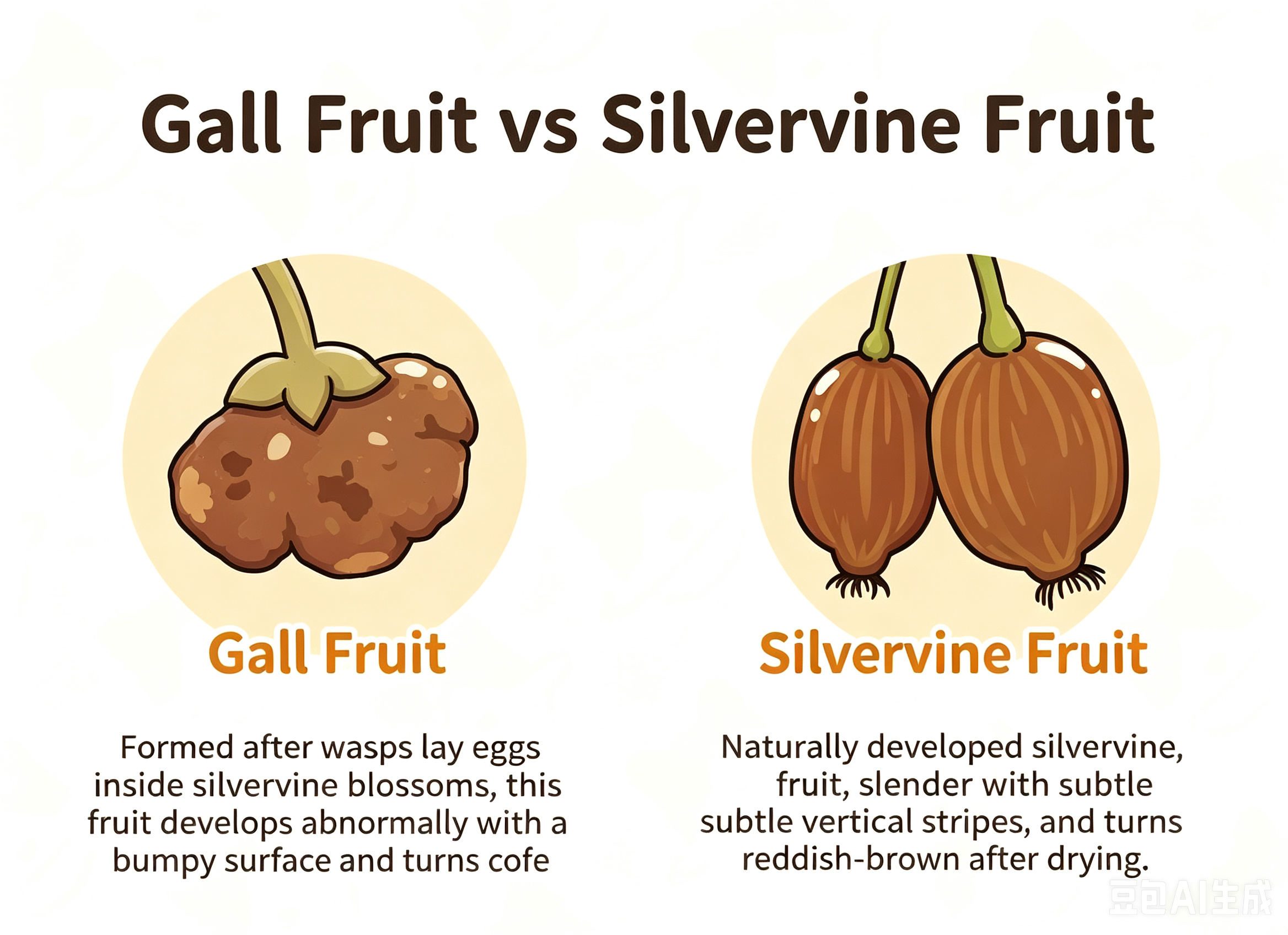
- Regular silvervine: Similar genetic sensitivity differences apply. Many cats only respond strongly to high-potency silvervine gall fruit, but not regular silvervine twigs or dried leaves. This genetic variation is completely normal, not a sign of poor smell function or illness, and is especially common in certain purebred breeds and young kittens.
2. Primary Cause: Age & Nervous System Maturity
- Kittens under 6 months old: Their olfactory system and emotional brain centers are still developing, and they rarely respond to these aromatic herbs. Young kittens need social play and gentle bonding rather than scent-based enrichment; strong scents may cause unnecessary stress or sleep disruption.
- Senior cats: Natural age-related olfactory decline reduces smell sensitivity, so they cannot pick up subtle herbal aromas as clearly, leading to weaker responses.
- Stressed/tired cats: When cats are scared, sleepy, or overstimulated, their nervous systems stay in defensive mode, and they cannot relax enough to respond to scent triggers, even if they have the correct genes.
3. Primary Cause: Scent Fatigue & Degraded / Low-Quality Products
- Olfactory desensitization: Frequent, constant exposure to the same catnip or silvervine quickly dulls the cat’s scent receptors, creating temporary tolerance (not permanent loss of sensitivity).
- Expired / improperly stored herbs: Dried botanicals lose essential volatile oils if kept open, damp, or past their shelf life. Mold or oxidation destroys the active compounds, removing the signature scent.
- Artificial filler products: Cheap products often use synthetic fragrances instead of natural active ingredients, so they fail to trigger the natural feline scent response.
4. Primary Cause: Chronic Stress, Pain or Underlying Health Conditions
Cats with chronic illness, pain, upper respiratory disease, sinus infections, dental disease, obesity, or endocrine disorders often have reduced smell function and dull emotional responses:
- Chronic rhinitis, viral respiratory infections, and kidney disease directly damage feline olfactory function
- Long-term household stress: frequent moves, loud noise, constant guest visits, multi-cat tension, or harsh discipline keep cats in a persistent anxious state, preventing relaxation
- If the cat also has weight loss, reduced appetite, nasal discharge, sneezing, lethargy, or unusual behavior, a full veterinary check-up is essential to rule out medical problems.
5. Safe Fixes & Natural Alternatives
A. Optimize How You Use Existing Herbal Products
- Proper storage: Store dried catnip and silvervine in airtight, dark containers in cool dry locations; freeze small portions to preserve volatile compounds
- Reduce usage frequency: Limit scent exposure to once weekly to prevent desensitization; avoid leaving scented toys out permanently
- Upgrade to high-potency options: Try silvervine gall fruit and concentrated extracts, which work for many cats unresponsive to basic silvervine twigs
- Choose calm moments: Test scents in quiet, low-stress environments rather than busy, chaotic times
B. Natural Alternative Cat Enrichment Herbs & Toys
- Valerian Root: Contains valerenic acid, a popular safe alternative that works for many catnip-insensitive felines
- Honeysuckle wood: Gentle aromatic enrichment suitable for timid, sensitive cats
- Sound/texture interactive toys: crinkle toys, feather wands, puzzle feeders, and treat balls that rely on touch and sound instead of scent
- Treat-based positive play: Build bonding and relaxation through slow treat training and gentle daily interaction
C. Reduce Chronic Household Stress
- Create safe quiet spaces: cat beds, tunnels, and hiding boxes to reduce anxiety and constant overstimulation
- Maintain a consistent daily schedule for feeding, playtime, and rest; minimize furniture rearrangement and unfamiliar visitors
- Separate multi-cat resources (litter boxes, food bowls, scratchers) to reduce conflict and territorial stress
D. Veterinary Checkups When Needed
- Book a vet exam if there are persistent symptoms: nasal congestion, discharge, weight loss, reduced appetite, or chronic lethargy
- Annual senior wellness exams to screen for kidney disease, thyroid issues, and chronic nasal conditions
6. Common Misconceptions to Avoid
- ❌ Over-spraying / excessive dosing of herbal extracts: May cause chronic stress, digestive upset, or respiratory irritation
- ❌ Repeatedly forcing scent exposure: Accelerates scent fatigue and creates long-term aversion
- ❌ Assuming every cat must like catnip/silvervine: Scent enrichment is optional; many cats thrive happily without these herbs
- ✅ Stable daily routines, positive play, and a calm home environment form the foundation of feline mental health