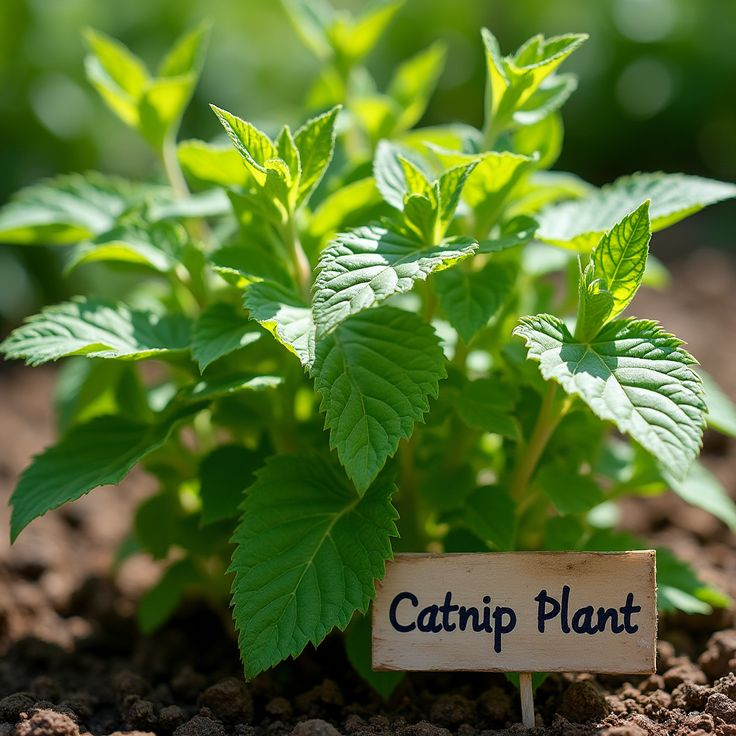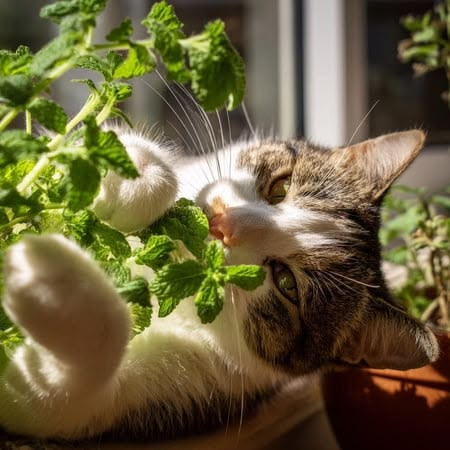
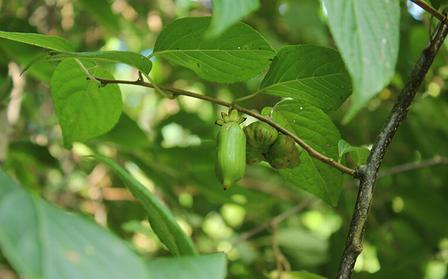
Most cat owners know matatabi, yet few can tell the difference between regular matatabi fruit and matatabi gall fruit. Both grow on the same Actinidia polygama vine, but they differ drastically in growth form, active compound concentration and appeal to felines. Gall fruit is the premium raw material for high-strength cat calming products, and this guide breaks down its formation, core contrasts, shared benefits, daily usage and safety FAQs for pet parents.
Basic Introduction to matatabi
Matatabi (Actinidia polygama), also named Matatabi in Japan, is a woody climbing vine native to high-altitude East Asian mountains. Every part—twigs, leaves and fruits—contains volatile actinidine and dihydroactinidiolide. The plant is fully non-toxic and edible for cats. After exposure, cats commonly roll, rub surfaces, drool or sink into relaxed rest. Their euphoric mood only lasts 10–15 minutes with zero addictive effects.
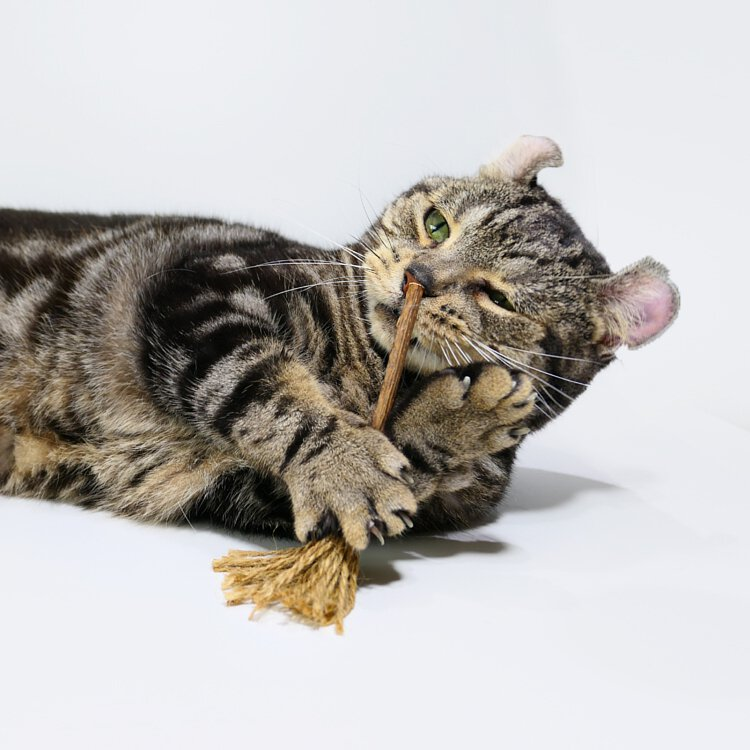
Commercial matatabi goods fall into four categories: dried matatabi sticks, dehydrated normal matatabi fruit, gall fruit, ground powder and aromatic extract sprays.
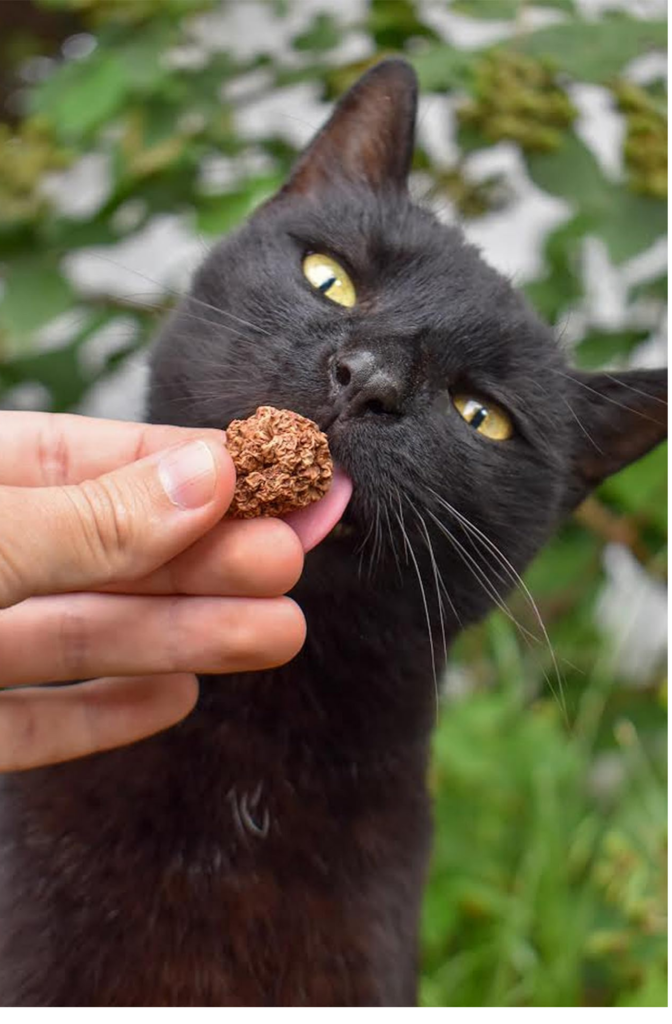
What Is matatabi Gall Fruit & How Does It Form?
Gall fruit is the deformed mutant fruit of matatabi, not an independent plant species. During matatabi’s blooming period, specialized parasitic wasps burrow into flower ovaries to lay eggs. Larvae secretions disrupt normal cell growth, stopping the fruit from developing into smooth, oval shapes. The final ripe fruit grows lumpy, bumpy and irregular, hence the name “gall fruit”.Scientific research confirms gall fruit contains far higher levels of cat-attracting alkaloids and iridoids than regular matatabi fruit. In controlled tests, cats spend over 7 times longer interacting with gall fruit and display more intense playful, soothing behaviors.
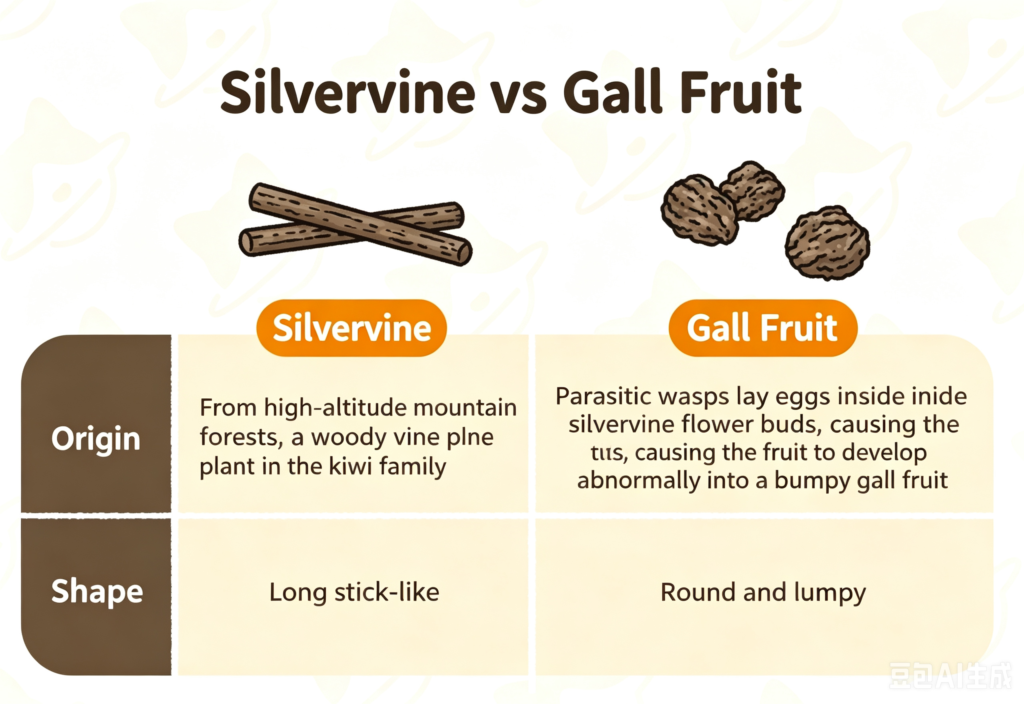
Key Comparison: Normal matatabi Fruit VS Gall Fruit
| Comparison Item | Regular matatabi Fruit | matatabi Gall Fruit |
| Appearance | Naturally pollinated, smooth oval shape, tiny mini kiwi look | Mutated by wasp larvae, bumpy, uneven, irregular outline |
| Active Ingredient Level | Moderate, mild soft scent | Multiple times higher concentration, strong rich aroma |
| Appeal to Cats | Gentle reaction, suitable for shy, sensitive adult cats & young kittens | Extremely attractive; nearly all cats unresponsive to catnip react positively to gall fruit |
| Best Use Scenarios | Daily mild stress relief, long-term solo play | Severe stress calming, appetite stimulation, heavy-duty dental chewing |
| Market Price | Low cost, abundant natural yield | Premium-priced, requires manual sorting & screening, limited supply |
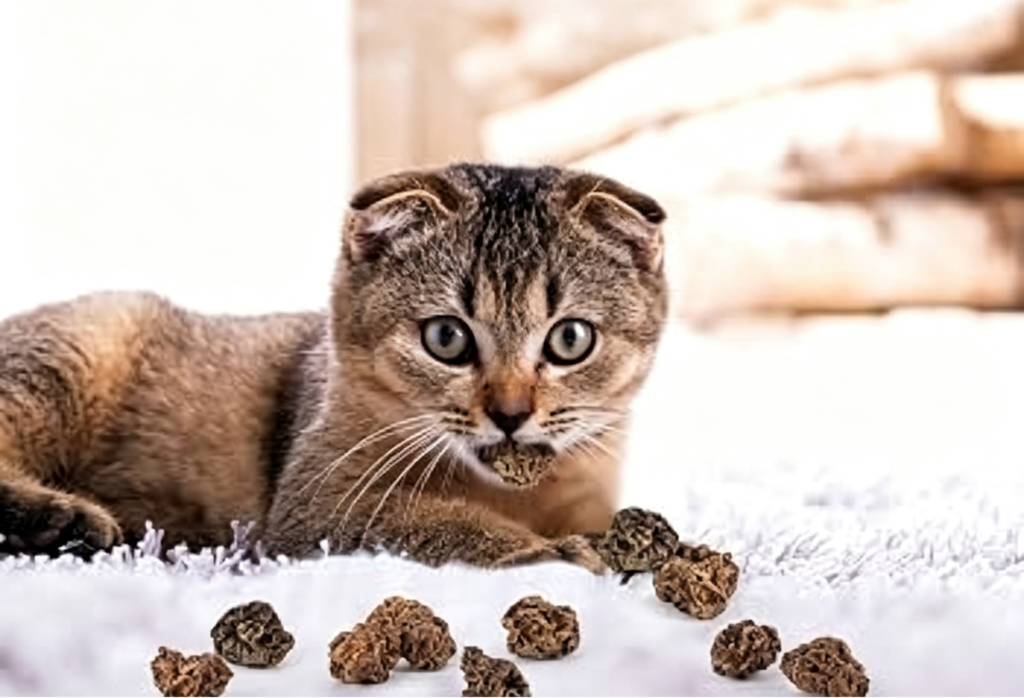
Three Shared Wellness Benefits of matatabi & Gall Fruit
1. Relieve Stress & Calm Anxiety
Environmental shifts like moving, house guests, vet visits, loud noises or long separation easily trigger feline stress. Gall fruit’s potent scent rapidly eases nervous tension, while regular matatabi delivers gentle daily relaxation to prevent unwanted behaviors such as inappropriate urination and furniture destruction.
2. Boost Appetite & Encourage Water Intake
For picky eaters or cats with low water consumption, a tiny pinch of gall fruit powder or diluted matatabi hydrosol adds natural herbal fragrance to meals and water, stimulating feeding instincts and lowering urinary disease risks.
3. Natural Dental Chews & Strengthen Human-Cat Bond
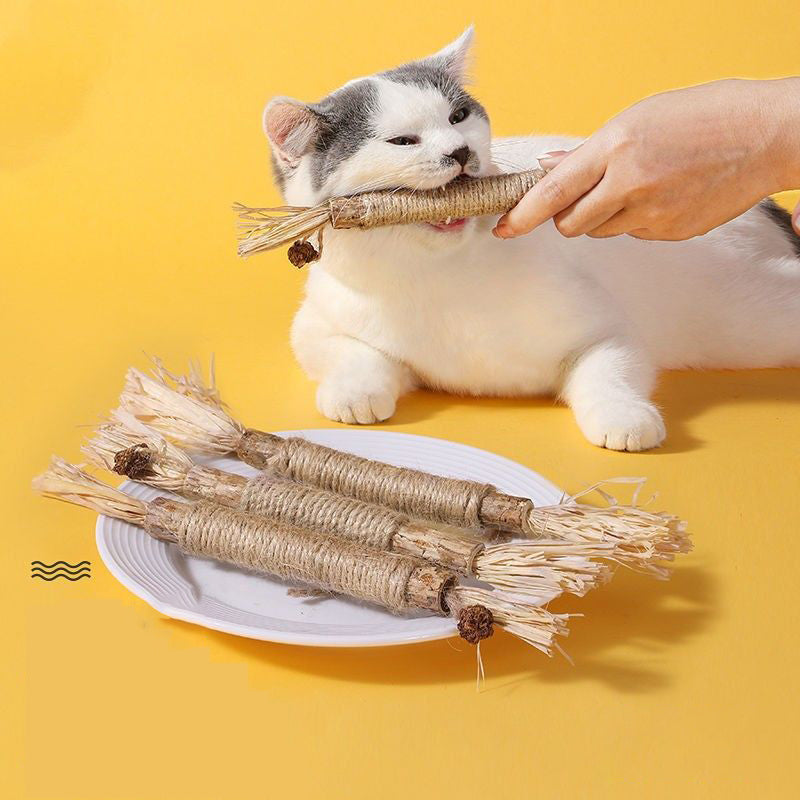
Dried matatabi twigs and whole gall fruit work as safe chew toys. Chewing friction reduces plaque buildup on cat teeth. Play sessions release positive emotions, burn excess indoor energy and deepen the bond between cats and owners.
Four Universal Usage Methods (For Both matatabi & Gall Fruit)
Method 1: Mix with Food & Water to Fix Picky Eating
Sprinkle a small amount of gall fruit powder or matatabi extract over wet food, kibble or drinking water. Limit usage to 2–3 times weekly to avoid scent tolerance.
Method 2: Stuff Washable Fabric Toys for Solo Entertainment
Fill detachable plush toys with crushed gall fruit or dried matatabi leaves. Slow-released scent awakens cats’ innate hunting instincts and relieves boredom when owners are away.
Method 3: Rub Powder Onto Scratching Pads
Work matatabi/gall fruit powder deep into cardboard or rope scratcher fibers for long-lasting aroma. It redirects scratching behavior to designated surfaces and protects household furniture.
Method 4: Aromatic Spray for Smooth-Surface Toys
Powder cannot stick to plastic wands, silicone balls or cat beds. Use gall fruit or matatabi extract spray; apply lightly to avoid dampness and mold growth.
Frequently Asked Questions (Gall Fruit Focused)
Q1: Is gall fruit safe if cats chew and swallow it?
Gall fruit is completely non-toxic. Minor accidental ingestion causes no gastrointestinal damage; excessive powder consumption may trigger mild loose stool, so test small doses for first-time use.
Q2: Can kittens use gall fruit?
Wait until kittens reach 6 months old. Kittens have underdeveloped olfactory and nervous systems, and gall fruit’s strong concentrated scent may lead to overexcitement and stress discomfort.
Q3: How long do cats stay stimulated by gall fruit?
The excited state lasts 10–15 minutes before cats naturally calm down. Gall fruit delivers stronger stimulation, so some cats maintain playful energy slightly longer with no adverse effects.
Q4: Why does my cat ignore matatabi but go crazy for gall fruit?
Around 75% of cats indifferent to catnip show strong reactions to gall fruit. Many felines only respond to high-concentration matatabi compounds; mild regular fruit scent fails to trigger their pleasure receptors, which is a normal genetic difference.
Q5: Can I mix gall fruit with regular matatabi together?
Combination use is allowed, but avoid heavy simultaneous mixing. Use regular matatabi for daily relaxation, and reserve gall fruit for stress spikes or appetite issues. Separating the two extends product service life and delays scent tolerance.