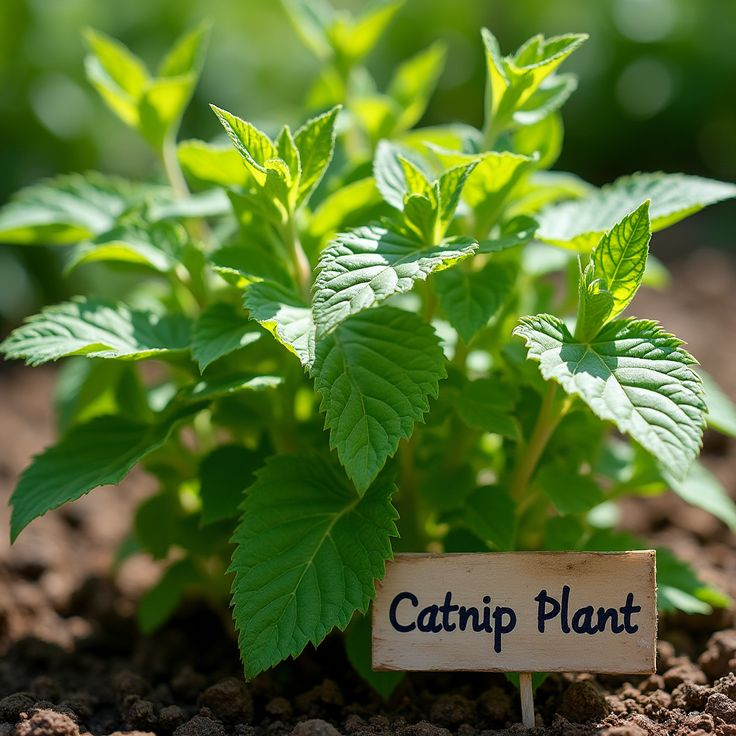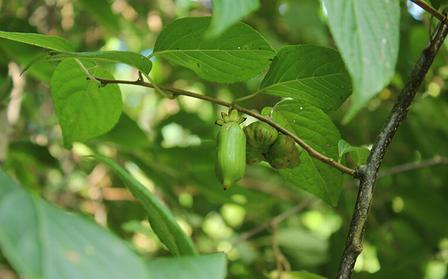
Besides cat grass and catnip, Matatabi is another natural stress-relief plant that drives most domestic cats wild. Many felines show zero interest in catnip but get instantly euphoric around matatabi, making it a must-have enrichment item for every cat household. This guide covers basic matatabi knowledge, the key difference between matatabi fruit and gall fruit, its core benefits, versatile application methods and common FAQs for cat owners.
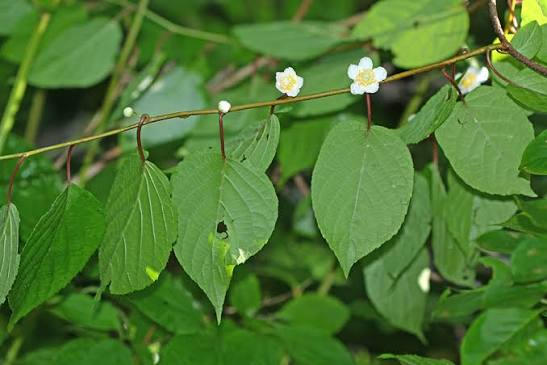
What Is matatabi? Is It Safe for Cats to Ingest?
Matatabi, botanical name Actinidia polygama, is a woody climbing vine native to high mountain areas across East Asia. Locally named Matatabi in Japan, it has long been known as a natural calming remedy for cats. Every part of the vine—branches, leaves and fruits—contains volatile actinidine and dihydroactinidiolide. These natural compounds stimulate cats’ olfactory receptors, triggering temporary pleasant and soothing sensations. matatabi is non-toxic and fully edible for cats. Licking, chewing or swallowing tiny portions causes no health risks. After exposure, cats often roll on floors, drool, dash around or slump in relaxation, all normal instinctive behaviors to release stress.
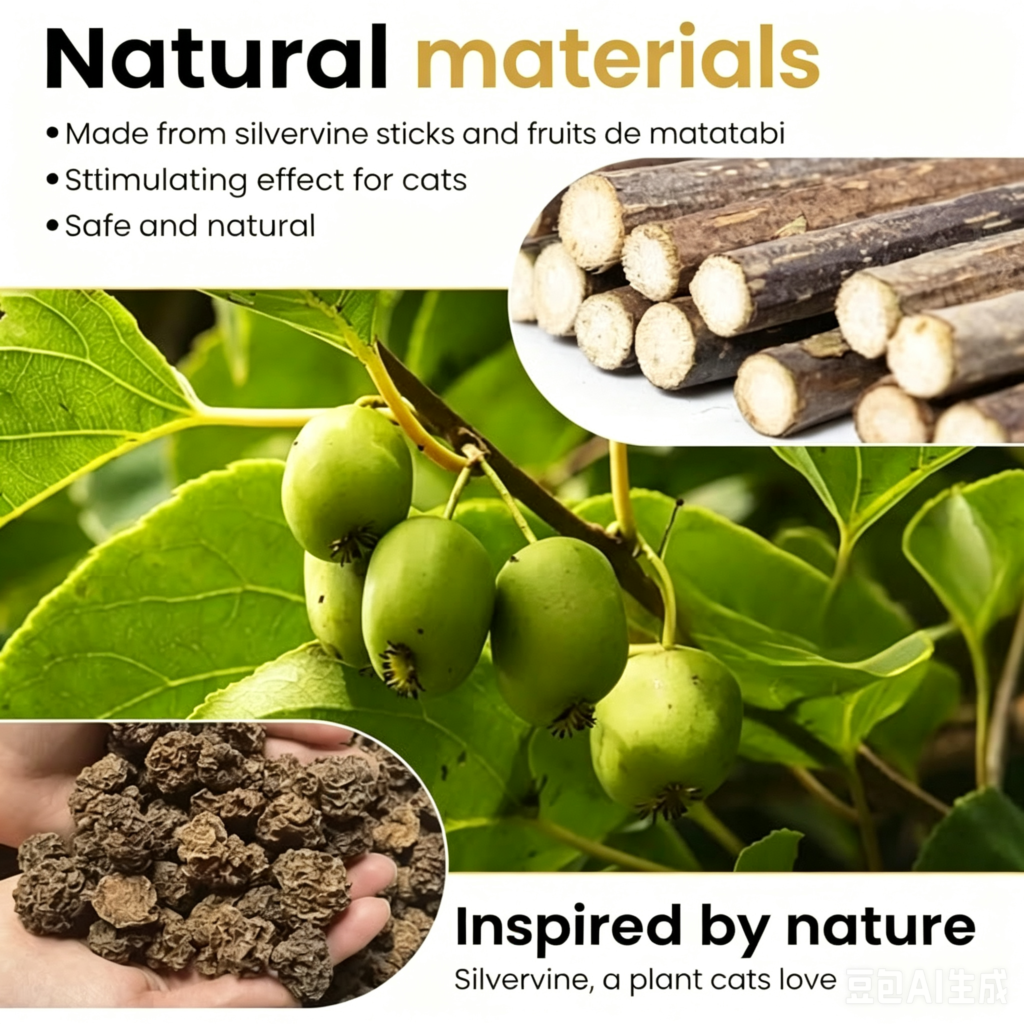
Matatabi Fruit vs Gall Fruit: Core Distinction
Gall fruits grow on matatabi vines but form through abnormal growth, separating them from regular matatabi fruits:
Standard matatabi fruit: Grows naturally without insect interference, smooth and regular in shape, with moderate concentration of feline-attracting alkaloids.
Gall fruit (insect gall): When matatabi blooms, tiny parasitic wasps lay eggs inside flower ovaries. Larvae development disrupts normal fruit growth, resulting in bumpy, misshapen fruit surfaces. Gall fruit contains far higher levels of active cat-attracting compounds, delivering stronger euphoric reactions to kitties.
Three Key Wellness Benefits of matatabi
1. Relieve Stress & Calm Anxious Moods
Cats suffering from moving stress, stranger anxiety, separation fear or environmental tension can quickly unwind with matatabi. It eases nervousness and lowers stress hormones with zero artificial chemicals.
2. Boost Appetite & Encourage Water Intake
For picky eaters or cats that rarely drink water, a pinch of matatabi powder or diluted matatabi extract releases a mild herbal scent that stimulates feeding and drinking instincts.
3. Natural Dental Chew & Strengthen Human-Cat Bond
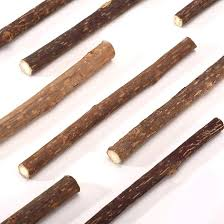
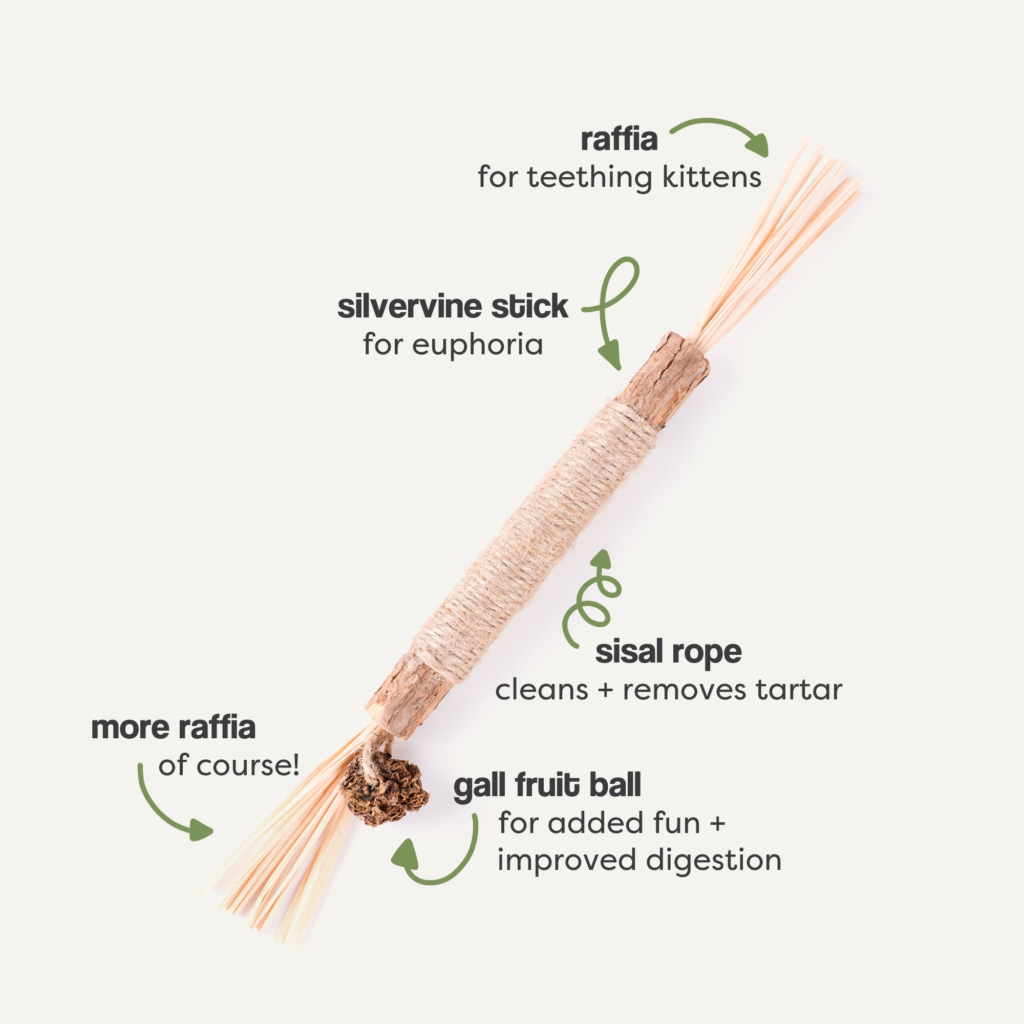
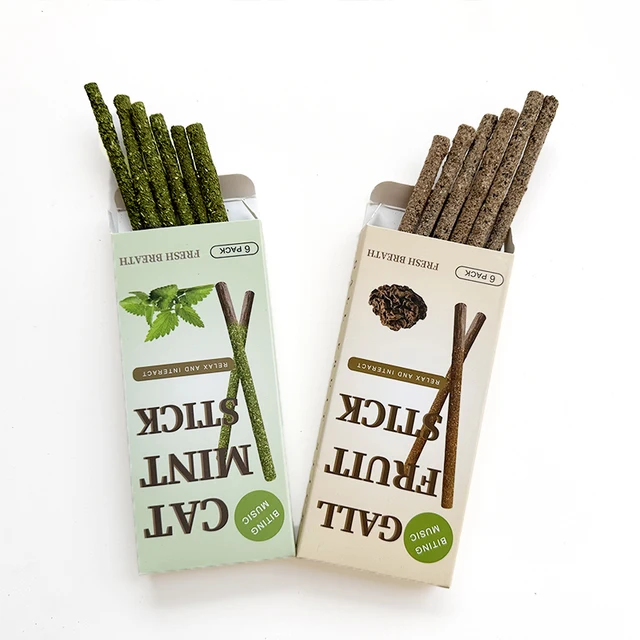
Dried matatabi twigs work as safe dental chews. Friction from chewing reduces plaque buildup on cat teeth. Play sessions with matatabi items release positive emotions, burn indoor cats’ excess energy and deepen the bond between pets and owners.
Four Easy Daily Application Methods
Method 1: Mix with Food & Water for Better Diet Habits
Sprinkle matatabi powder over wet food or kibble; add a drop of matatabi hydrosol to drinking water to entice finicky cats to eat and drink more.
Method 2: Stuff Fabric Toys to Awaken Hunting Instincts
Fill washable hollow cat plush toys with dried matatabi leaf fragments or fine powder. Slow-released scent triggers natural predatory play, keeping indoor cats occupied and less lonely.
Method 3: Rub Powder on Scratching Pads to Redirect Scratching
Rub matatabi powder deep into the fiber of cat scratchers for long-lasting aroma. It draws cats to designated scratch surfaces and protects sofas, curtains and furniture from claw damage.
Method 4: matatabi Spray for Smooth-Surface Toys
Powder cannot adhere to plastic wands, silicone balls or glossy toys. Lightly mist matatabi extract spray on surfaces; avoid over-spraying to prevent dampness and mold growth.
Four Easy Daily Application Methods
Method 1: Mix with Food & Water for Better Diet Habits
Sprinkle matatabi powder over wet food or kibble; add a drop of matatabi hydrosol to drinking water to entice finicky cats to eat and drink more.
Method 2: Stuff Fabric Toys to Awaken Hunting Instincts
Fill washable hollow cat plush toys with dried matatabi leaf fragments or fine powder. Slow-released scent triggers natural predatory play, keeping indoor cats occupied and less lonely.
Method 3: Rub Powder on Scratching Pads to Redirect Scratching
Rub matatabi powder deep into the fiber of cat scratchers for long-lasting aroma. It draws cats to designated scratch surfaces and protects sofas, curtains and furniture from claw damage.
Method 4: matatabi Spray for Smooth-Surface Toys
Powder cannot adhere to plastic wands, silicone balls or glossy toys. Lightly mist matatabi extract spray on surfaces; avoid over-spraying to prevent dampness and mold growth.