Catnip, the natural mood-boosting herb for felines, is a staple for every cat household. It instantly lifts cats’ moods and encourages them to release natural instincts. Many pet parents only know cats get playful around catnip, yet lack full knowledge of its working mechanism, proper application and safety rules. This comprehensive guide covers catnip botanical facts, three core wellness benefits, five easy daily uses and common safety questions, helping you use catnip for your cat in a scientific, gentle way.
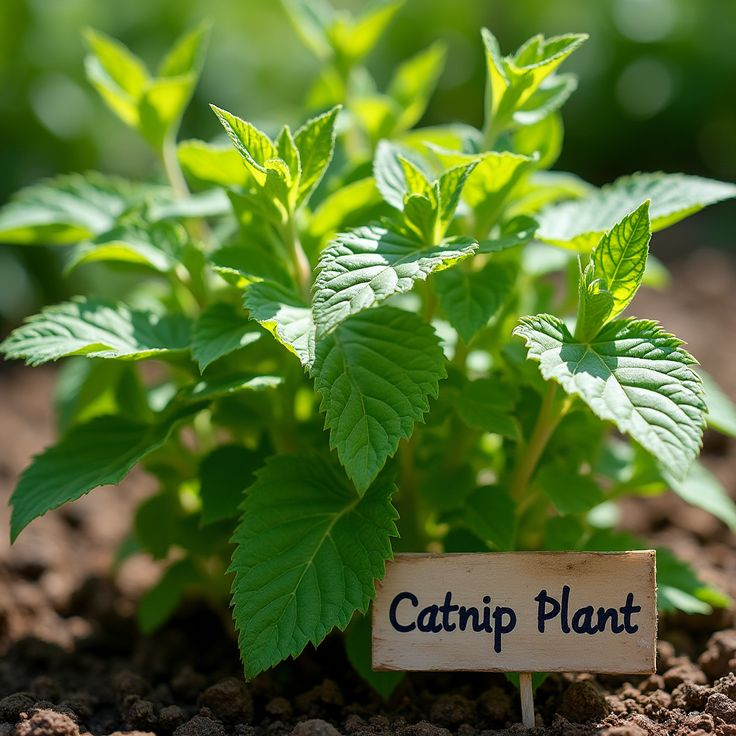
What Is Catnip & Is It Safe for Cats?
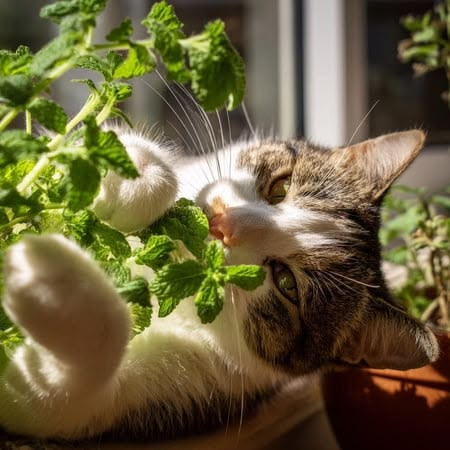
Catnip, scientific name Nepeta cataria, is a perennial herb from the mint family, also nicknamed “happy herb” for cats. Its stems and leaves contain volatile oil named nepetalactone. When this compound reaches cats’ olfactory receptors, it temporarily activates the brain’s pleasure center, triggering typical behaviors: rolling, rubbing furniture, purring, jumping and drooling.
Catnip is completely non-toxic and non-addictive. A cat’s euphoric state only lasts 10 to 15 minutes, then they will naturally calm down without any lasting damage to organs or nerves. Minor stomach upset like loose stool only occurs if cats swallow large amounts of dried leaves or powder; light sniffing and tiny licks carry zero health risks.
Three Key Wellness Benefits of Catnip
1. Boost Energy & Ease Separation Anxiety
Indoor cats with low spirits or stress from long alone time can regain vitality with catnip. Scent exposure motivates running, pouncing and playful activity, releasing pent-up negative emotions and relieving chronic listlessness.
2. Dual Calming Effect for Overactive Kitties
Catnip affects every cat differently: some become energetic, while others grow soft and sleepy. For hyperactive, irritable cats, moderate catnip use soothes nervous tension and helps them settle down for rest.
3. Training Helper to Stop Furniture Scratching
Cats’ natural fondness for catnip scent can redirect their scratching behavior. It draws them to designated scratchers instead of sofas, curtains or walls, simplifying behavior correction without harsh training.
Five Practical Daily Application Methods
Method 1: Mix with Food to Fix Picky Eating
Sprinkle a tiny amount of catnip powder over kibble, wet food or freeze-dried treats. Mild herbal aroma stimulates appetite. ⚠️ Reminder: Limit to 2–3 times weekly. Overuse leads to scent tolerance and weakens effects; avoid heavy doses to prevent digestive discomfort.
Method 2: Stuff Fabric Toys for Solo Entertainment
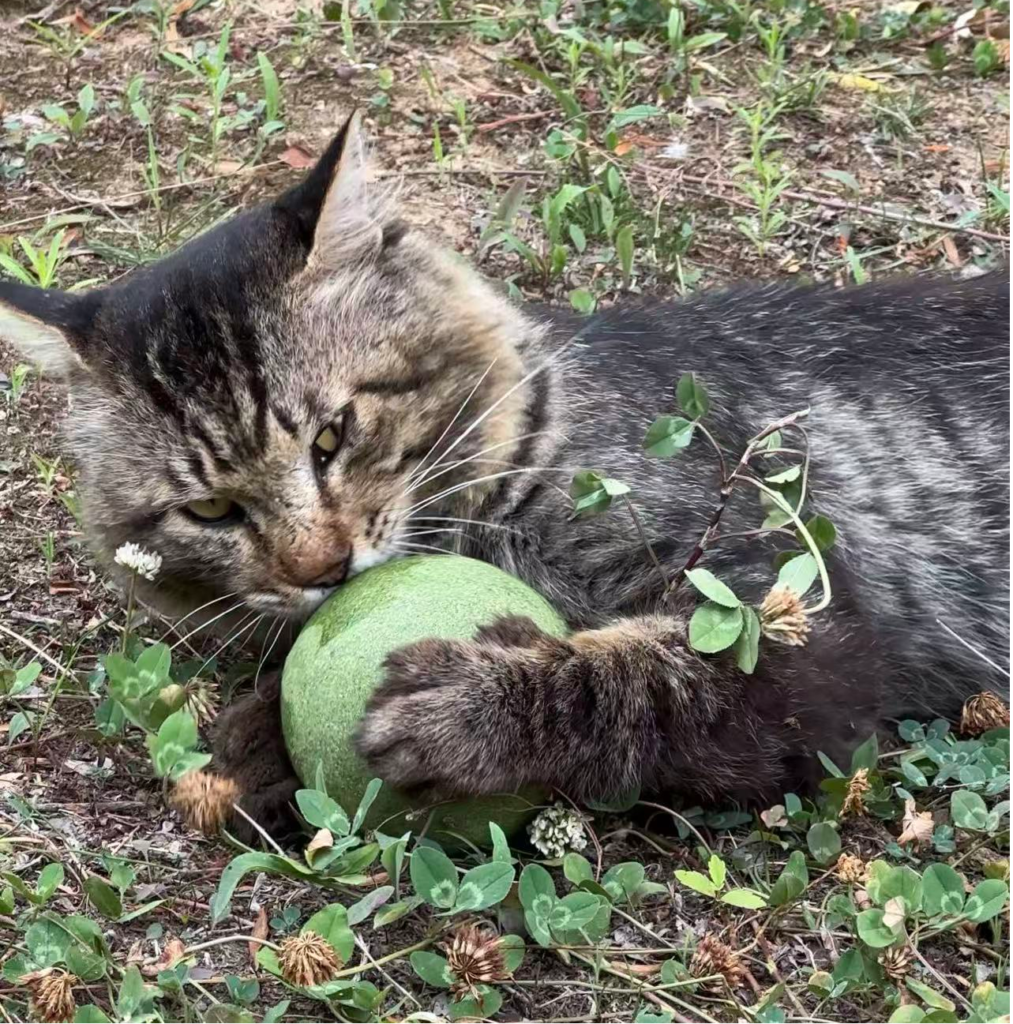
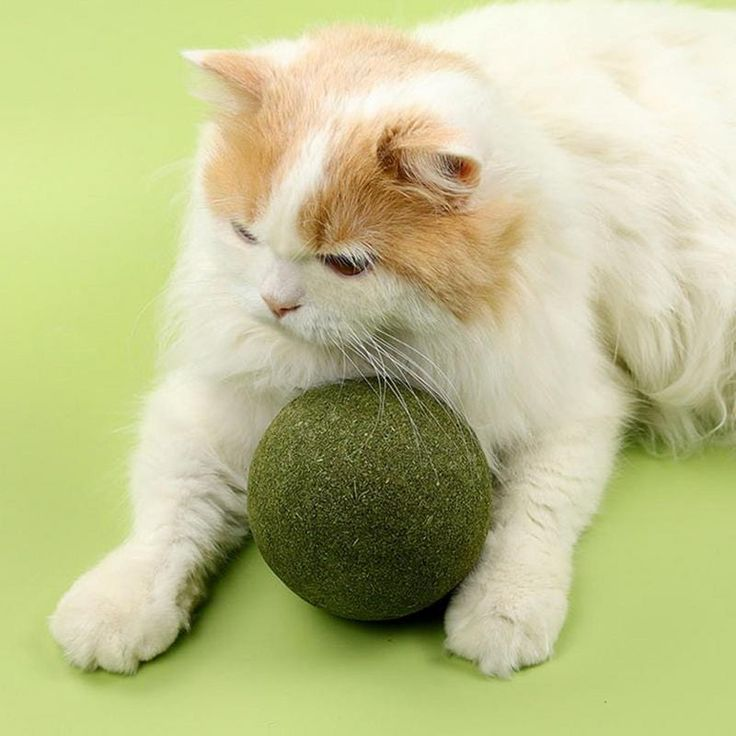
Fill washable plush toys, elastic exercise balls or cloth pouches with dried catnip leaves or fine powder. Slow-released scent awakens cats’ hunting instincts and provides long-lasting amusement when owners are out.
Method 3: Rub Powder on Scratching Pads
Work catnip powder deep into the fiber of cardboard or rope scratchers for long-lasting fragrance. It effectively guides cats to scratch dedicated surfaces and protect household furniture.
Method 4: Catnip Spray for Smooth-Surface Toys & Beds
Catnip extract spray works for plastic wands, silicone balls, cat beds and water bowls where powder cannot stick. The spray leaves no messy debris and simplifies cleaning; apply lightly to avoid dampness and mold.
Method 5: Brew Catnip Herbal Water to Boost Water Intake
Steep dried catnip leaves in cool water to make herbal cat tea. The soft scent encourages water consumption for cats that rarely drink, lowering risks of urinary issues while easing stress.
Frequently Asked Questions
Q1: Why does my cat show no reaction to catnip?
This is totally normal. Sensitivity to nepetalactone is determined by genetics. Around 30% to 50% of cats lack the gene to detect catnip’s aroma. We recommend buying small trial packs first to avoid waste.
Q2: How often can I give my cat catnip?
1–2 times per week is ideal. Frequent exposure builds scent tolerance, making catnip less effective over time. If your cat turns aggressive or overly frantic after use, cut down frequency or pause entirely.
Q3: Can kittens use catnip?
Kittens under 6 months old should not access catnip. Their olfactory and nervous systems are underdeveloped, unable to process nepetalactone properly, which may cause discomfort; young kittens also rarely respond to the scent.